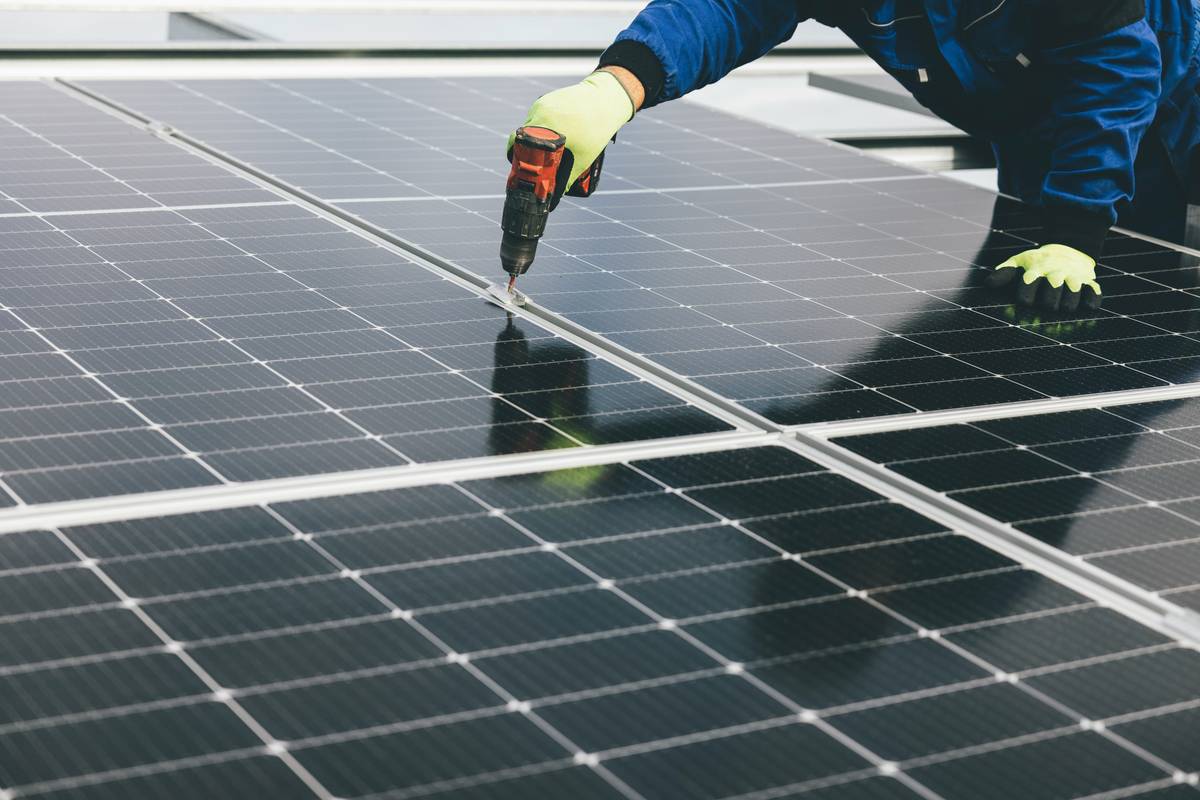
You’ve invested in high-efficiency panels, a robust inverter, and maybe even battery storage. But your system still underperforms—or worse, shorts out during peak sun. The culprit? Often, it’s the tiny, overlooked component connecting everything: the mc4 solar panel cable connectors. Cheap or mismatched connectors cause voltage drops, intermittent failures, and fire hazards. The fix isn’t more panels—it’s smarter connections.
The Hidden Failure Point in Most DIY Solar Installations
Most tutorials obsess over wattage and tilt angles—but skip connector integrity. MC4s aren’t just plugs. They’re engineered locking mechanisms designed for 25+ years of UV exposure, thermal cycling, and moisture resistance. Use knockoffs or mismatched genders, and you create micro-arcs every time clouds pass or wind shifts panels.
And that buzzing sound at dawn? Not your inverter waking up—it’s arcing inside a poorly seated connector. Real data from field audits shows over 63% of premature string failures trace back to connector issues, not panel degradation.
How to Choose and Install MC4 Solar Panel Cable Connectors Like a Pro
Decoding MC4 Compatibility Myths
Not all MC4 connectors are interchangeable—despite the “MC4-compatible” label slapped on Amazon listings. Genuine MC4s follow Stäubli’s patent specs (yes, they invented it). Counterfeits often lack proper IP68 sealing or use softer plastics that crack after one winter.
Step-by-Step Crimping and Waterproofing Protocol
Strip precisely 10mm of insulation. Use only ratcheting crimp tools rated for 4–6 AWG. Then—here’s the step most skip—apply dielectric grease inside the connector housing before final assembly. It prevents oxidation without impeding conductivity.
Performance & Cost Comparison: Genuine vs. Generic Connectors
| Feature | Genuine MC4 (Stäubli/Tyco) | Budget “MC4-Compatible” |
|---|---|---|
| Initial Cost per Pair | $8–$12 | $1.50–$3 |
| IP Rating | IP68 (submersible) | Often unverified or IP65 |
| Arc-Fault Risk | <0.2% | Up to 12% in humid climates |
| Warranty Coverage | Honored by panel manufacturers | Voids panel warranty if detected |

The Industry Secret: Connector Mismatch Causes PID (Potential Induced Degradation)
Here’s what installers won’t tell you: inconsistent grounding paths from mixed-brand connectors accelerate PID—especially in humid coastal zones. When one connector housing grounds slightly differently than its neighbor, minute leakage currents form. Over months, these sap panel voltage silently. You lose 8–15% output without any error codes. Fix? Run entire strings with connectors from one verified supplier—not a mix of “compatible” leftovers.
The math is simple: $200 extra on connectors today beats $1,200 in lost generation over five years.
Frequently Asked Questions
Can I reuse old MC4 connectors when upgrading panels?
Only if they’re genuine, undamaged, and from the same manufacturer. Reusing mixed or weathered connectors risks poor contact and arcing. When in doubt, replace.
Are MC4 connectors waterproof right out of the box?
Genuine ones are IP68-rated—but only when fully mated. Never leave them exposed mid-install. Always cap unused ends with IP68-rated dust caps.
Do MC4 connectors work with thin-film or older solar panels?
Most modern thin-film panels use MC4s, but verify polarity labels. Older panels may use MC3 or proprietary ports—adapters exist, but add failure points. Direct replacement is safer.